
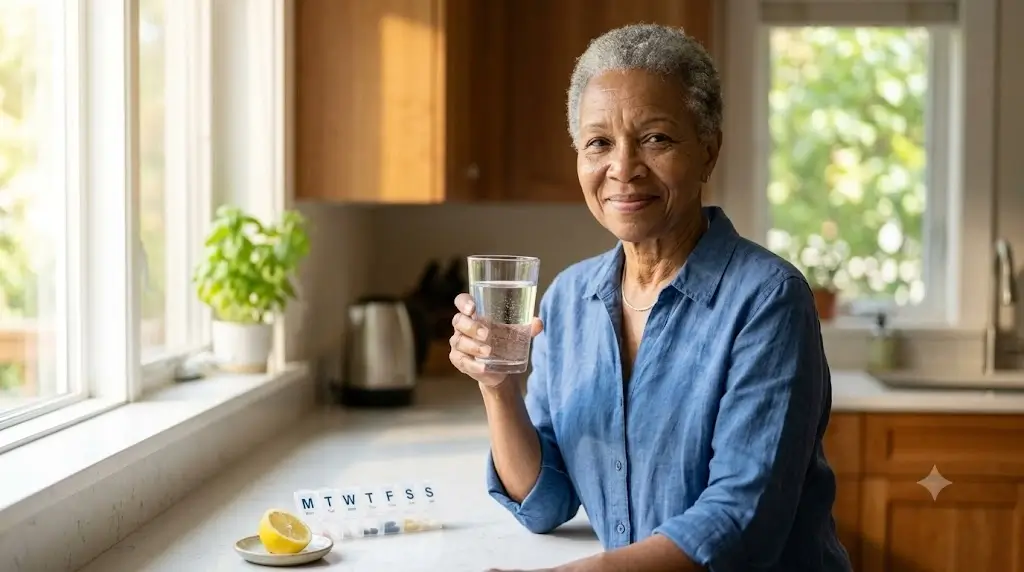
Staying hydrated after 50 is less about hitting one universal water number and more about consistently getting enough total fluids for your individual needs. Water, other beverages, and moisture in foods all contribute to hydration. Older adults may need to pay closer attention because thirst can become less noticeable with age, while heat, physical activity, illness, and some medications can increase fluid needs or losses.
A practical hydration routine combines regular drinks throughout the day, water-rich foods, awareness of changing conditions, and medical guidance when a health condition or medication affects fluid intake.
Quick answer: Most healthy older adults can support hydration by drinking fluids regularly throughout the day and including water-rich foods such as fruits, vegetables, soups, and yogurt. There is no single amount of plain water that is appropriate for every older adult. Total water intake includes beverages and water contained in food, and individual needs can change with body size, activity, climate, illness, and medical conditions.
Affiliate Disclosure: AgingWellGuide may earn a commission from qualifying purchases. This does not affect our editorial recommendations. This article provides general consumer health information and is not individualized medical advice.
Why Is Hydration Important for Older Adults?
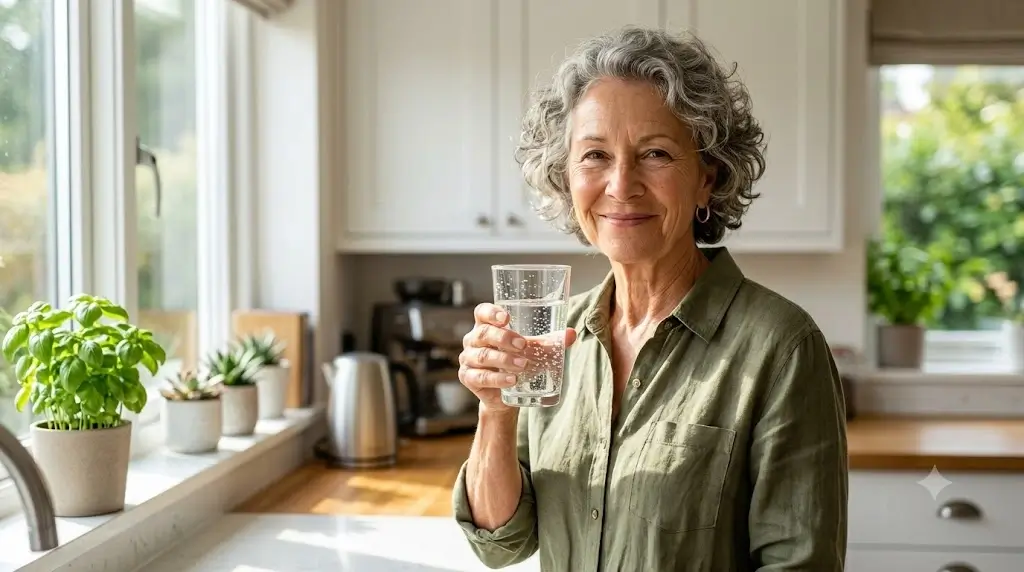
Water is essential for normal body function, and maintaining adequate hydration helps the body regulate temperature, transport nutrients, remove waste, and support normal physical function.
The National Academies describes water as essential for cellular function, circulation, temperature regulation, and removal of waste. Water intake comes from drinking water, other beverages, and moisture contained in food.
CDC guidance also notes that adequate water intake helps prevent dehydration and supports normal body functions such as temperature regulation and waste removal.
Hydration is therefore not simply about drinking glasses of water. It is about maintaining an appropriate overall fluid balance.
Why Are Older Adults More Vulnerable to Dehydration?
Some older adults are more vulnerable because the sensation of thirst may become less noticeable with age.
MedlinePlus identifies older adults as a group at increased risk of dehydration and notes that some people lose part of their sense of thirst as they age.
Other factors can also matter:
- Reduced fluid intake
- Difficulty reaching or carrying beverages
- Illness that reduces drinking
- Vomiting or diarrhea
- Heavy sweating
- Hot weather
- Physical activity
- Some medications
- Medical conditions that alter fluid balance
For this reason, waiting until you feel very thirsty is not always the best hydration strategy for an older adult.
How Much Water Should Older Adults Drink?
There is no single plain-water target that applies to every older adult.
The National Academies uses the concept of total water intake, which includes drinking water, other beverages, and water contained in food. Its Adequate Intake values for adults are 3.7 liters per day for men and 2.7 liters per day for women, but these figures represent total water from all sources rather than a requirement to drink that much plain water.
The values also should not be interpreted as a precise prescription for every individual. The National Academies notes that hydration needs vary and that higher total water intake may be needed with physical activity or exposure to hot environments.
For a more focused discussion of the numbers and how to interpret them, see our guide to how much water older adults should drink.
Important: People with conditions that require fluid restriction or individualized fluid management should not use a general internet water target as a personal prescription. Follow the fluid recommendations provided by your healthcare professional.
What Counts Toward Daily Hydration?
Hydration comes from more than plain drinking water.
| Source | Can contribute to total water intake? |
|---|---|
| Plain water | Yes |
| Milk and other beverages | Yes |
| Soups and broths | Yes |
| Water-rich fruits | Yes |
| Water-rich vegetables | Yes |
| Yogurt and other moist foods | Yes |
The National Academies specifically defines total water as water from drinking water, beverages, and food moisture.
This means someone does not need to obtain all of their daily water from a glass or bottle.
Is Plain Water the Best Drink for Older Adults?
Plain water is an excellent everyday beverage because it provides hydration without added calories or sugar.
However, other beverages can also contribute fluid. The most useful choice depends on the person’s dietary pattern, health needs, preferences, and medical guidance.
CDC recommends water as a healthy beverage and notes that replacing sugary drinks with plain water can reduce calorie intake.
For many people, the most practical approach is to make water the default beverage while using other suitable drinks as part of a varied diet.
Do Coffee and Tea Count Toward Hydration?
Caffeinated beverages do contribute fluid to total water intake.
The National Academies notes that beverages containing caffeine can contribute to total water intake and that any diuretic effect may be transient.
This does not mean every beverage is equally useful as a daily default. Drinks high in added sugar can add substantial calories without providing the same nutritional value as water or nutrient-dense beverages.
If caffeine affects sleep, digestion, heart symptoms, or another individual health issue, personal guidance may be appropriate.
Can Food Help Older Adults Stay Hydrated?
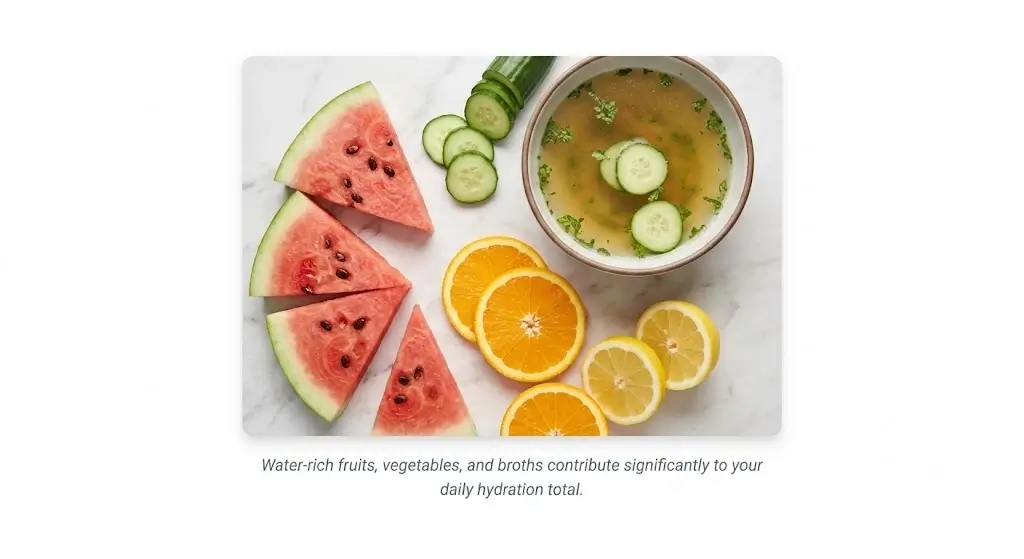
Yes. Foods contain water and can make an important contribution to total fluid intake.
| Food category | Examples |
|---|---|
| Fruits | Melons, oranges, berries, grapes |
| Vegetables | Cucumber, tomatoes, lettuce, zucchini |
| Soups | Vegetable soup, bean soup, broth-based soups |
| Dairy or alternatives | Milk, yogurt, fortified alternatives |
| Cooked foods | Oatmeal, rice, vegetables, stews |
Water-rich foods can be especially useful when someone does not enjoy drinking large amounts of plain water.
They should complement, not necessarily replace, regular fluid intake.
What Are Common Signs of Dehydration?
Possible signs include increased thirst, dry mouth, reduced urination, darker urine, fatigue, and dizziness.
MedlinePlus lists thirst, dry mouth, reduced urination or sweating, dark-colored urine, tiredness, and dizziness among possible symptoms of dehydration.
Symptoms can vary, and urine color alone should not be treated as a complete diagnostic test of hydration status.
An older adult who is confused, unusually difficult to wake, severely unwell, or experiencing a serious change in alertness needs prompt medical attention rather than simply being told to drink more water.
Can Thirst Be a Reliable Hydration Signal After 50?
Thirst is useful, but it should not always be the only signal an older adult uses to decide when to drink.
Some older adults experience a reduced sense of thirst. This makes a simple routine of drinking fluids throughout the day more practical than relying entirely on thirst.
A routine can be especially helpful during:
- Hot weather
- Physical activity
- Travel
- Long periods away from home
- Illness
- Periods when appetite and drinking have decreased
How Can Older Adults Build a Simple Hydration Routine?
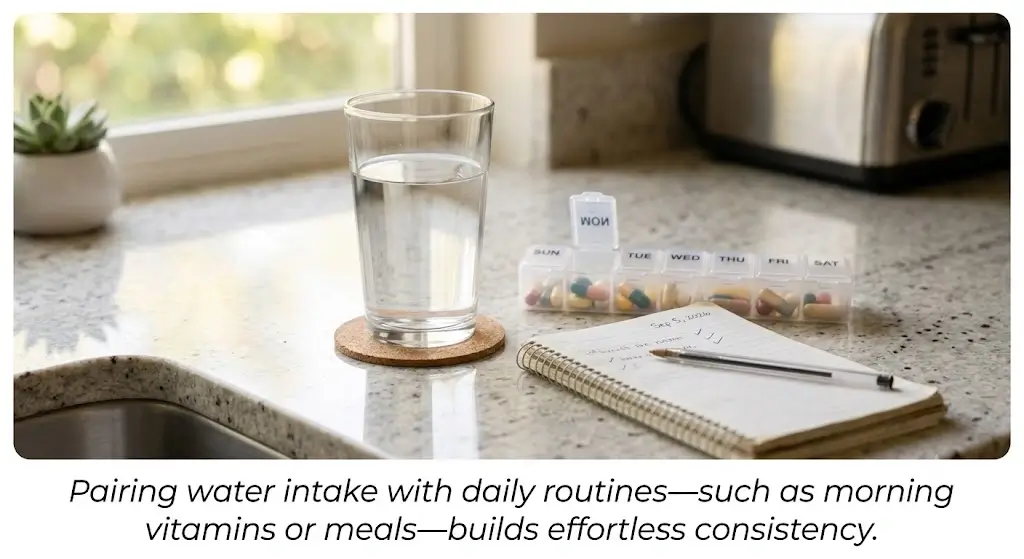
The easiest hydration routine is one that connects drinking with existing daily habits.
Drink With Meals
Keep a suitable beverage available at breakfast, lunch, and dinner.
Drink Between Meals
Do not make every drink dependent on mealtimes.
Keep Water Accessible
Place a suitable cup or bottle where it can be reached safely and easily.
Carry a Beverage When Appropriate
For outings, bring a suitable drink when access to fluids may be limited.
Increase Attention During Heat or Activity
Hot environments and physical activity can increase fluid losses.
Use Reminders When Helpful
A simple phone reminder, clock routine, or visual cue can help someone who regularly forgets to drink.
For more practical strategies specifically focused on increasing fluid intake, see our guide to easy ways to drink more water after 50.
How Can Older Adults Make Water Easier to Drink?
Improve convenience, temperature, taste, and accessibility rather than forcing one drinking method.
Some practical options include:
- Keeping water within easy reach
- Using a cup or bottle that is comfortable to hold
- Choosing a preferred drinking temperature
- Adding natural flavor from fruit when appropriate
- Using a reusable bottle for convenient access
- Keeping a drink available during meals
- Using smaller amounts more frequently if large drinks are uncomfortable
The objective is consistency, not competition to consume the largest amount possible.
What If an Older Adult Has Trouble Holding a Water Bottle?
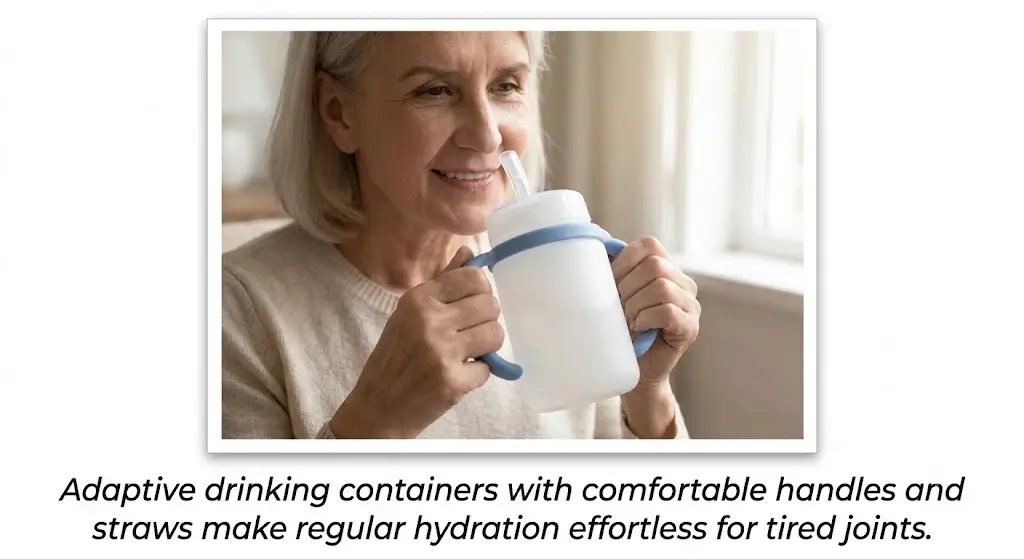
Accessibility can be just as important as the beverage itself.
Someone with reduced hand strength, limited mobility, or difficulty lifting a full bottle may drink less simply because the container is inconvenient.
Possible adaptations include:
- Using a lightweight container
- Choosing a handle that is easy to grip
- Using a cup that does not require excessive wrist strength
- Keeping beverages at frequently used locations
- Using smaller containers that are easier to lift
- Preparing drinks in advance
The safest solution depends on the individual’s abilities and environment.
Does Hydration Help With Constipation?
Fluids are one component of healthy digestion, but hydration alone is not a universal treatment for constipation.
NIA recommends drinking plenty of water as part of healthy meal planning. Adequate fluid intake can support normal digestion, particularly when combined with an overall healthy eating pattern.
Constipation can have many causes, including dietary patterns, physical activity, medications, and medical conditions. Persistent or severe constipation should be discussed with a healthcare professional rather than treated only by increasing water intake.
Do Older Adults Need More Water During Hot Weather?
Fluid needs can increase during hot weather because the body can lose more water through sweating.
CDC notes that people may need more water in hot climates and during increased physical activity. Fever, vomiting, and diarrhea can also increase fluid losses.
During hot conditions:
- Drink regularly.
- Keep fluids accessible.
- Pay attention to heat exposure.
- Increase caution during physical activity.
- Do not wait until severe thirst develops.
Older adults who develop symptoms of significant dehydration or heat-related illness need appropriate medical attention.
What Happens to Hydration During Illness?
Illness can make dehydration more likely because fluid losses may increase while drinking decreases.
Vomiting, diarrhea, fever, and heavy sweating can increase fluid loss. At the same time, nausea, weakness, sore mouth, or reduced appetite can make drinking more difficult.
MedlinePlus recommends paying close attention to older adults’ fluid intake when they are ill and seeking professional guidance when dehydration is a concern.
Do not assume that simply drinking large quantities of water is appropriate for every illness. Some conditions require specific fluid or electrolyte management.
Can Medications Affect Hydration?
Yes. Some medications can change fluid balance or increase the amount of urine produced.
MedlinePlus notes that some medicines can increase urination and therefore contribute to dehydration risk.
However, medication-related fluid needs are individualized. Do not change medication doses or deliberately increase or restrict fluids without appropriate medical guidance.
If an older adult regularly experiences dizziness, unusually frequent urination, swelling, or other concerning changes after starting or changing a medication, discuss the issue with a healthcare professional.
Who Should Be Careful About Increasing Fluid Intake?
People with medical conditions or treatment plans that affect fluid balance may need individualized fluid guidance.
This can include some people with:
- Kidney conditions
- Heart conditions
- Conditions associated with fluid retention
- Electrolyte disorders
- Other conditions for which a clinician has prescribed fluid restrictions or targets
The important distinction is that general hydration advice is designed for general education. It does not override a clinician’s individualized fluid recommendation.
Can Drinking Too Much Water Be a Problem?
More water is not automatically better.
The body regulates water balance through several mechanisms, including the kidneys. Excessive fluid intake can become dangerous in certain circumstances, particularly when the body’s ability to regulate or excrete water is impaired.
The National Academies did not establish a general Tolerable Upper Intake Level for total water, but it also notes physiological limits on how quickly the body can excrete excess water.
The practical lesson is simple: hydration means meeting the body’s needs, not intentionally drinking as much water as possible.
How Does Hydration Fit Into a Healthy Diet After 50?
Hydration is one part of an overall healthy eating pattern.
A practical diet after 50 also includes a variety of nutrient-dense foods, adequate protein and fiber, vegetables and fruits, whole grains, and appropriate beverages.
Water-rich foods can contribute to both nutrition and hydration, which makes them useful building blocks of everyday meals.
For the broader eating pattern, see our complete guide to healthy eating after 50.
What Is a Simple Daily Hydration Checklist?
- ☐ Drink fluids regularly throughout the day.
- ☐ Keep a suitable beverage within easy reach.
- ☐ Include water-rich foods in meals and snacks.
- ☐ Pay extra attention during hot weather.
- ☐ Drink appropriately around physical activity.
- ☐ Pay attention to illness-related fluid losses.
- ☐ Make drinking easier if grip or mobility is a barrier.
- ☐ Avoid relying entirely on thirst if thirst is reduced.
- ☐ Follow individualized fluid restrictions when prescribed.
- ☐ Seek medical guidance when significant dehydration is suspected.
Hydration for Older Adults: Common Mistakes
Waiting Until Severe Thirst
Some older adults may have a weaker thirst sensation, making a regular drinking routine useful.
Assuming Everyone Needs the Same Amount
Fluid requirements vary with circumstances and health status.
Counting Only Plain Water
Total water includes other beverages and moisture from foods.
Drinking Large Amounts at Once
A consistent pattern throughout the day may be more practical than trying to consume most fluids in a short period.
Ignoring Accessibility
A beverage is not useful if it is difficult or unsafe for someone to reach, lift, or hold.
Ignoring Medical Fluid Restrictions
General hydration advice should never override an individualized clinical fluid plan.
Assuming More Is Always Better
The goal is appropriate hydration, not maximum water consumption.
Hydration Decision Guide for Older Adults
| Situation | Practical approach |
|---|---|
| Healthy older adult on a normal day | Drink fluids regularly and include water-rich foods |
| Hot weather | Pay closer attention to fluid intake and heat exposure |
| Exercise or increased activity | Account for increased fluid losses |
| Reduced thirst | Use a regular drinking routine rather than relying entirely on thirst |
| Difficulty holding containers | Use a lighter, easier-to-grip drinking container |
| Illness with vomiting or diarrhea | Pay close attention to fluid losses and seek appropriate medical guidance |
| Known fluid restriction | Follow the individualized medical plan |
| Possible significant dehydration | Seek appropriate medical evaluation rather than relying only on home hydration |
Frequently Asked Questions
How much water should an older adult drink each day?
There is no single plain-water amount that applies to everyone. The National Academies’ Adequate Intake values for total water are 3.7 liters per day for adult men and 2.7 liters per day for adult women, including water from beverages and food. Individual needs vary.
Do older adults need more water than younger adults?
Not necessarily. However, some older adults are more vulnerable to dehydration because thirst may become less noticeable and because illness, medications, heat, and other factors can affect fluid balance.
Does coffee count toward hydration?
Yes. Caffeinated beverages contribute fluid to total water intake. However, water remains a useful default beverage, and beverages high in added sugar should not replace water as the primary everyday choice.
Does tea count as water intake?
Yes. Tea contributes fluid to total water intake, although the nutritional and caffeine characteristics of different teas vary.
Do fruits and vegetables count toward hydration?
Yes. Water contained in food contributes to total water intake. Fruits, vegetables, soups, yogurt, and other moist foods can therefore contribute to hydration.
How can I tell if an older adult is dehydrated?
Possible signs include increased thirst, dry mouth, reduced urination, darker urine, fatigue, and dizziness. More serious changes such as confusion or altered alertness require prompt medical attention.
Can older adults become dehydrated without feeling thirsty?
Yes. Some older adults experience a reduced sense of thirst, which is one reason regular fluid intake can be useful.
Should older adults drink water before they feel thirsty?
A regular drinking routine can be practical, particularly for older adults who do not experience strong thirst signals.
Is drinking more water always healthier?
No. The goal is adequate hydration rather than maximum water intake. People with certain medical conditions may require individualized fluid targets or restrictions.
Can dehydration cause dizziness?
Dizziness can occur with dehydration, but dizziness has many possible causes. Persistent or significant dizziness should not automatically be attributed to dehydration.
Can hydration help constipation?
Adequate fluid intake supports normal digestion, but constipation has many possible causes and may require more than simply drinking additional water.
Do older adults need electrolyte drinks every day?
Not necessarily. General hydration does not automatically require electrolyte beverages. Individual circumstances, illness, exercise, and medical conditions can change the appropriate approach.
Should someone with kidney problems drink more water?
Not automatically. Some kidney conditions require individualized fluid guidance. Follow the recommendations of the healthcare professional managing the condition.
Should someone with heart problems drink more water?
Not automatically. Some people with heart conditions may have individualized fluid recommendations. Follow the medical plan rather than using a general water target.
How can someone with limited hand strength drink more easily?
Use a lightweight, easy-to-grip container and keep beverages within safe reach. The container should match the person’s strength and mobility.
Is bottled water healthier than tap water?
Not inherently. For hydration purposes, the practical choice depends on water quality, safety, accessibility, cost, and personal preference.
Can soup count toward hydration?
Yes. Water contained in soups and other moist foods contributes to total water intake.
Do milk and fortified alternatives count toward hydration?
Yes. These beverages contain water and can contribute to total fluid intake while also providing other nutrients.
Does hot weather increase hydration needs?
It can. Heat can increase fluid losses through sweating, so attention to fluid intake becomes more important.
Does exercise increase water needs?
Physical activity can increase fluid losses, particularly in warm environments. Hydration needs should reflect activity level and conditions.
What should an older adult drink when sick?
Fluid needs depend on the illness and the person’s health status. Vomiting, diarrhea, and fever can increase fluid losses, but some conditions require specific medical guidance.
Can medications cause dehydration?
Some medications can increase urination or otherwise affect fluid balance. Medication-related hydration needs should be discussed with a healthcare professional.
Is urine color a reliable way to measure hydration?
Urine color can provide a general clue, but it is not a complete diagnostic measure of hydration and can be affected by other factors.
What is the easiest way to remember to drink water?
Connect drinking with existing routines such as meals, waking, leaving the house, or scheduled breaks. A simple reminder can also help when appropriate.
Can older adults drink too much water?
Yes. Excessive water intake can become harmful in certain circumstances. The goal is appropriate hydration rather than deliberately consuming very large amounts.
Should an older adult with a fluid restriction follow general hydration advice?
No. An individualized medical fluid plan should take priority over general hydration guidance.
Is water enough during normal daily activity?
For many healthy adults during ordinary daily activity, water is an appropriate primary beverage. Special circumstances such as prolonged intense activity, illness, or certain medical conditions can change fluid needs.
How can caregivers help an older adult stay hydrated?
Keep suitable beverages accessible, offer drinks regularly, use easy-to-handle containers, include water-rich foods, and pay closer attention during illness or hot weather.
Final Verdict
Good hydration after 50 is a daily habit, not a single number.
Older adults can support hydration by drinking regularly, including water-rich foods, keeping beverages accessible, and paying closer attention during heat, exercise, and illness. The National Academies’ total-water values provide a useful population-level reference, but they should not be treated as a universal prescription for plain drinking water.
The most important exception is individualized medical care. People with conditions or treatments that affect fluid balance should follow their healthcare professional’s recommendations rather than automatically increasing or restricting fluids based on general advice.
Bottom line: Aim for consistent, appropriate fluid intake throughout the day, make drinking physically easy, and adjust the approach when activity, weather, illness, medications, or medical conditions change fluid needs.
Sources and Editorial Basis
- National Academies — Dietary Reference Intakes for Water, Potassium, Sodium, Chloride, and Sulfate
- Centers for Disease Control and Prevention — About Water and Healthier Drinks
- National Institute on Aging — Healthy Meal Planning: Tips for Older Adults
- MedlinePlus — Dehydration
- MedlinePlus — Nutrition for Older Adults
This article is intended for general consumer education. It does not diagnose dehydration, prescribe fluid intake, or replace individualized medical advice.
Editorial standard: AgingWellGuide distinguishes population-level hydration guidance from individualized medical recommendations. Water targets are presented in context, total water is distinguished from plain drinking water, and situations requiring professional guidance are clearly identified.
